 Verified
Dr. Helena, 38
Medical OncologyBoston, MA
94%
Compatibility
An oncologist is the physician who specializes in diagnosing, staging, and treating cancer. She is the one who explains a scan a family will remember for the rest of their lives, then walks back into clinic and does it again. That kind of work selects for a very specific human: emotionally deep, professionally grounded, and clear-eyed about what matters. If you are looking for a partner who treats a serious relationship the way she treats a treatment plan - with patience, consistency, and complete presence - this is the specialty to filter for.
An oncologist is the physician who diagnoses, stages, and treats cancer. The field is called oncology, and it is, by design, a long-relationship specialty. She presents treatment options, walks patients through risks and side effects, oversees chemotherapy or radiation, and manages the survivorship phase that can last decades. She is not parachuting in for a single intervention - she is showing up week after week, scan after scan, conversation after conversation.
Because cancer is rarely a single problem, modern oncology is almost always team-based. Patients usually see more than one oncologist: a medical oncologist who manages systemic therapy, a surgical oncologist who removes the tumor, a radiation oncologist who delivers targeted radiotherapy. Within those broad lanes sit subspecialties - gynecologic oncology, pediatric oncology, neuro-oncology, hematologic oncology, breast oncology. The woman you meet on Doctor Singles Network has chosen a particular corner of this field, and that choice tells you a great deal about her.
Oncology selects for women who can hold the weight of a hard truth without flinching, then go home and be fully present at dinner. It is the rarest combination in medicine - and it does not turn off at the clinic door.- Dr. Helena C., Medical Oncology, Member Since 2024
Here is what that means for dating: oncologists tend to be unusually direct, unusually present, and unusually intolerant of small talk that goes nowhere. The work has rearranged her sense of proportion. Trivial things look trivial. Important things - health, family, time, honesty - look enormous. The dating dynamic that follows is refreshingly grown-up. Expect long conversations, real questions, and very little patience for game-playing.
Oncologists span three primary lanes - medical, surgical, and radiation - with several disease-focused subspecialties on top. Each lane carries a different rhythm: infusion-clinic days for medical oncology, OR blocks for surgical oncology, planning-and-treatment cycles for radiation oncology. Filter by lane on the platform if a particular schedule shape matters to you.
Oncology runs on continuity, not on adrenaline. The week is built around infusion days, tumor boards, and structured patient follow-up - a rhythm that is demanding but, with rare exceptions, deeply predictable.
Medical oncologists run scheduled infusion clinics - typically Monday through Thursday, 8 AM to 5 PM. Patients return on predictable cycles, so the calendar is set weeks in advance. Evening hours are protected the vast majority of weeks. A standing Thursday dinner reservation is one of the most successful patterns members report.
Tumor boards are multidisciplinary case conferences where surgical, medical, and radiation oncologists review complex cases together. These run once or twice weekly, usually early morning. It is the single most non-negotiable hour of her week - and the clearest signal of how seriously she takes shared decision-making.
Inpatient oncology coverage rotates across the practice. Most weeks she is off both weekend days; some weeks she rounds for 60 to 90 minutes Saturday or Sunday morning. Two-day getaways work, three-day weekends work, and Friday-night plans are reliably safe.
Surgical oncologists carry an OR block schedule similar to general surgery. Radiation oncologists work daytime-only treatment-planning hours with almost no overnight call. Gynecologic and pediatric oncology tend to run heavier on-call. Filter by subspecialty if predictability is a deal-breaker.
Oncology has a real seasonality - December and early January are quieter as patients pause for holidays, while October and February tend to spike with annual screenings rolling in. Summer is the strongest stretch for protected vacation. Plan the big trip for July or August and it will happen.
After a day of difficult conversations, the first 60 to 90 minutes at home are decompression time - a walk, a quiet meal, a low-stimulation start. Partners who treat that window as protected report the strongest long-term relationships. The romantic dinner happens at 8 PM, not the second she walks in.
Oncology is one of the most emotionally taxing specialties in medicine. The women who stay in it - and thrive - are the ones who have built real systems around resilience. That same architecture is what makes a partnership with an oncologist unusually strong, provided you understand the load she carries home.
After twelve hours of life-and-death conversations, small talk sounds unbearable. She has spent the day in the most important rooms in the hospital. She does not need a partner who can match that intensity - she needs a partner who can sit with her in the quiet that follows, without filling it.
Oncologists do not need a fixer. They need a steady presence. The most successful relationships on Doctor Singles Network share one pattern: a partner who shows up consistently, asks low-stakes questions about her day, and lets her decide how deep the conversation goes. Steadiness is the love language.
Oncology rearranges a person's sense of what matters. Career-for-career's-sake conversations land flat. What lands is shared purpose - family, legacy, community, the long arc of a life built on purpose. Bring substance, and the connection moves quickly.
Toggling from oncology mode to date-night mode is harder than it looks. Give her a low-friction transition: a quiet first thirty minutes, a clear plan she does not have to design, and the explicit permission to not talk about work. Members who lead with logistics, not interrogation, report the smoothest evenings.
She does not want her dating profile circulating among colleagues at tumor board. Doctor Singles Network defaults to confidential browsing, no LinkedIn-style discovery, and no public photo indexing. The same discretion she gives her patients, the platform gives her.
Oncologists are drawn to partners who are accomplished in their own field without needing to compete in hers. The pull is mutual respect, not mutual benchmarking. Members who lead with curiosity about her work - not credentials about their own - consistently advance to second dates faster.
The bottom line: dating an oncologist is not for everyone, and the women on this platform know that. They are filtering hard for partners who can carry their share of emotional weight, respect the rhythm of the work, and bring genuine substance to the relationship. The reward, when the fit is right, is a partnership unusually rich in meaning. For more on how clinicians manage the transition between work and home, read our guide to physician schedules and dating.
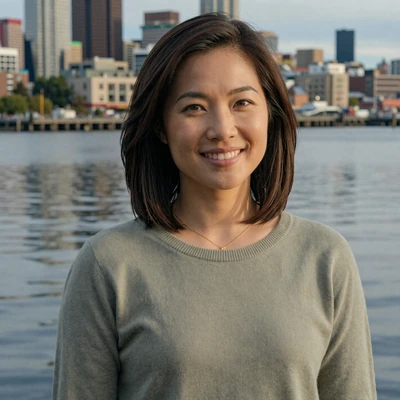
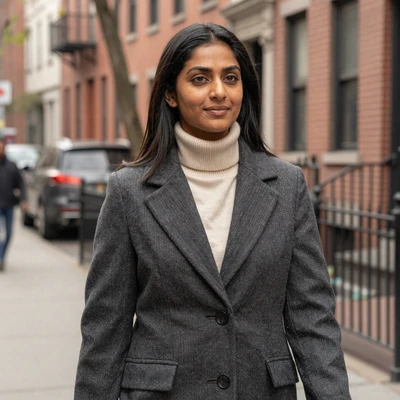
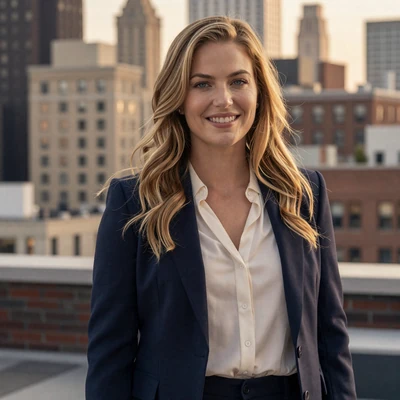
A small selection of NPI-verified women oncologists currently active on Doctor Singles Network. Compatibility scores reflect schedule alignment, relationship intent, and emotional-fit signals with the average member viewing this page.
Verified
Boston, MA
 Verified
New York, NY
 Verified
Seattle, WA
 Verified
Miami, FL
 Verified
Atlanta, GA
 Verified
Denver, CO
Physician dating is rarely about the medicine. It is about the rhythm the medicine creates and the temperament it selects for. Oncology selects for women who have made peace with the fact that life is finite - and therefore choose, very deliberately, what they spend it on. Three principles separate the relationships that work from the ones that stall.
Grand-gesture dating reads as noise to an oncologist. What lands is the opposite: a thoughtful question, a remembered detail, a quiet Tuesday dinner planned a week out. She spends her professional life weighing meaningful interventions against meaningless ones. Bring the same standard to the relationship and she will recognize it instantly.
Some days end with a patient she will think about for the rest of the year. She is unlikely to share details - that is professional and ethical territory - but the weight is visible if you know how to look for it. Members who can say "rough day?" and then let the answer be whatever she needs it to be report the strongest long-term bonds. Do not try to solve it. Just be there.
Oncologists think in cycles, not days - chemo cycles, follow-up cycles, five-year survival curves. That long view spills over into how she evaluates a relationship. She is not looking for the next three weeks. She is reading you for the next ten years. Be honest about timelines, family, and the future, and you will move forward fast. Be evasive, and she will close the chapter without drama and without warning.
The bottom line: dating an oncologist rewards depth, consistency, and a long view. If that sounds like the kind of partnership you are after, the next step is straightforward - browse the verified couple success stories for examples of how these relationships actually take shape, then explore the rest of the Doctors Dating hub to compare specialties side by side.
If the depth, continuity, and long-arc thinking of oncology resonates with you, these neighboring specialties on the Doctors Dating hub share much of the same DNA.
Internal medicine physicians share the long-relationship, continuity-of-care mindset.
Radiologists work side-by-side with oncologists on every scan and staging decision.
Surgical oncologists overlap heavily - start here if the OR rhythm appeals to you.
Neurologists share the same intellectually deep, long-relationship clinical pattern.
Psychiatrists share the high-EQ, conversation-driven temperament oncology rewards.
Anesthesiologists are calm-under-pressure peers oncologists work with constantly.
Pulmonologists share critical-care exposure and a similarly grounded temperament.
Browse the full Doctors Dating hub and pick the specialty that fits your life best.